Books and articles for engineers who want to build better systems of work.
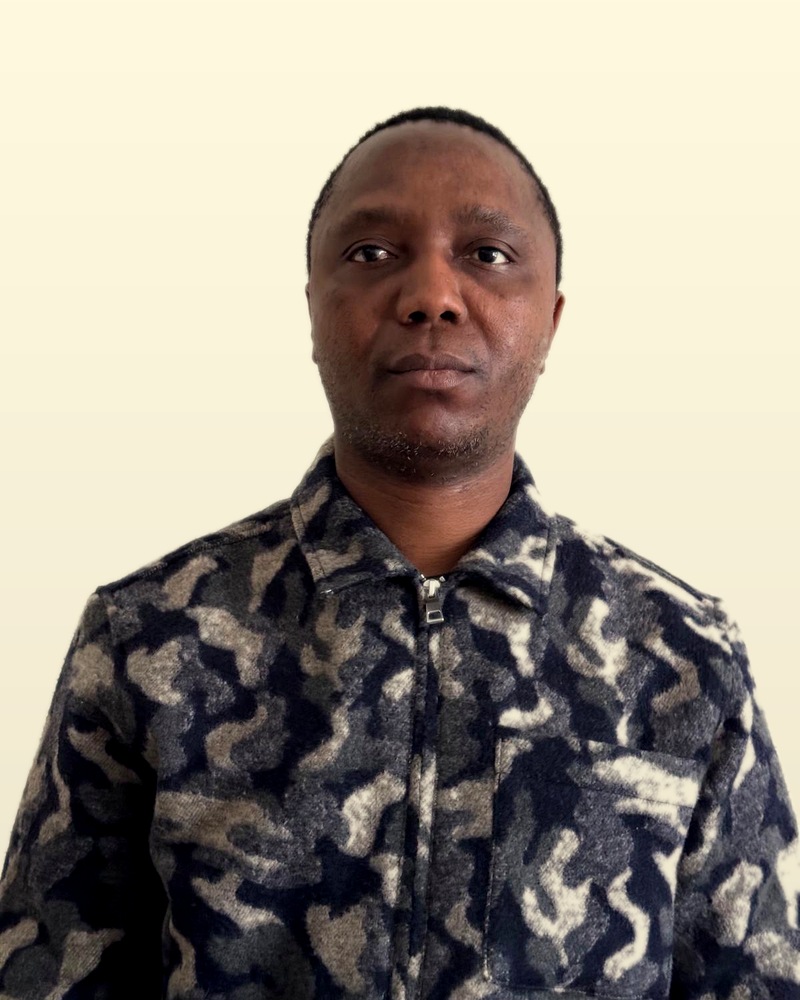
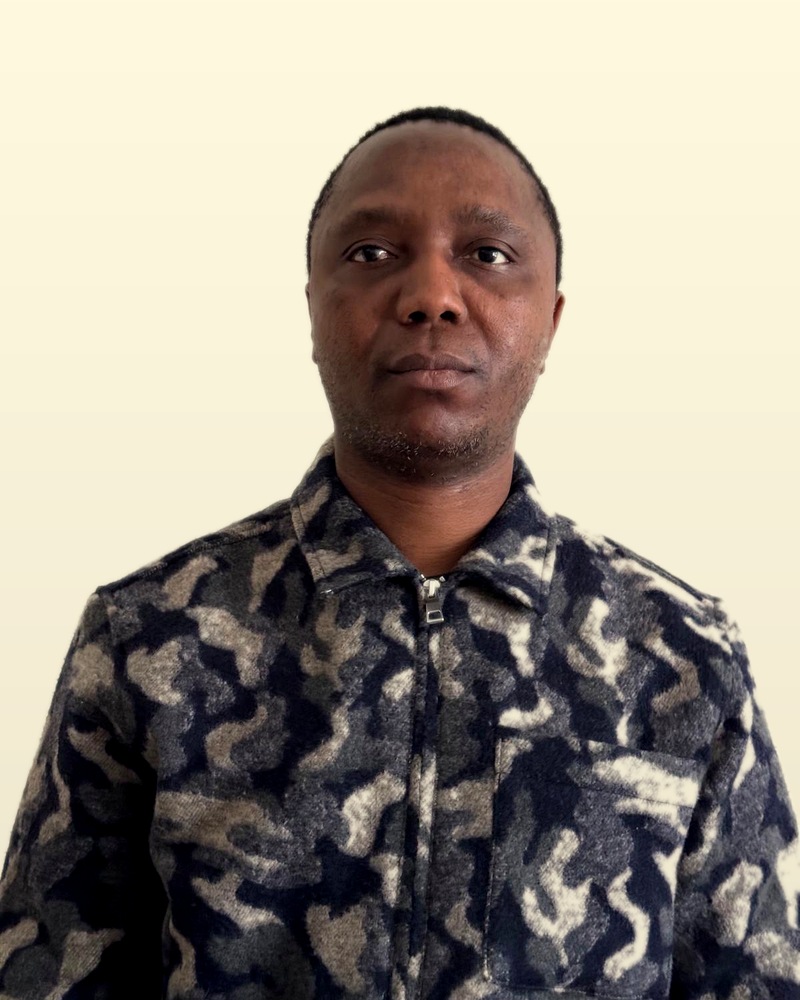
Samuel Awonorin writes about software architecture, technical leadership, remote execution, organisational systems, and the habits that help engineers operate with clarity in mature teams.
MOST AFRICAN DEVELOPERS & LEADERS WILL FAIL ABROAD - HERE'S WHY
Why Talent Doesn't Translate - And How Mature Systems Decide Who Moves
A systems-thinking book for engineers, engineering managers, founders, and technical leaders who want to understand how mature teams evaluate trust, risk, and movement.
Refactoring the Human Operating System for Remote Teams That Actually Work
A work-in-progress book about why remote work exposes the real architecture of an organisation: communication paths, trust systems, bottlenecks, decision latency, and human reliability patterns.
The book explores remote teams through a systems lens without revealing the manuscript's key details before launch.
Part 1Human operating system80% complete
Part 2Signal architecture65% complete
Part 3Reliability engineering35% complete
Part 4Distributed organisation25% complete
Reader newsletter
Get the next chapter note
Join the reader list for launch notes, sample chapters, and practical articles on engineering leadership, systems thinking, and remote work.
YouTube channel
Watch the latest videos
Long-form video notes and talks from Samuel Awonorin on engineering leadership, systems thinking, remote work, and the ideas behind the books.
Featured long-form video
When Systems Become Bigger Than You
Watch the featured long video here, then open the channel for more talks and video companions to the articles and books.
Samuel Awonorin brings the perspective of a practitioner who understands how software careers, teams, and organisations are shaped by architecture, communication, decision-making, and trust. His writing connects engineering discipline, leadership, remote work, and the systems that help people execute with clarity.
The site links to Samuel's public professional profiles while keeping the book and reader journey at the centre.
Some environments do not reward polish first. They reward the person who can restore movement when ownership, process, and infrastructure are still incomplete.
In fragile systems, speed can become the clearest visible proof of leadership. The danger begins when that signal is carried into systems that judge risk differently.